3D product visualisation: make every detail count.
Before a product can persuade, people need to understand it. We use 3D product visualisation to give shape, materials and small design decisions the attention they deserve — from a single still image to a complete animated product story.
Start with what makes the product different.
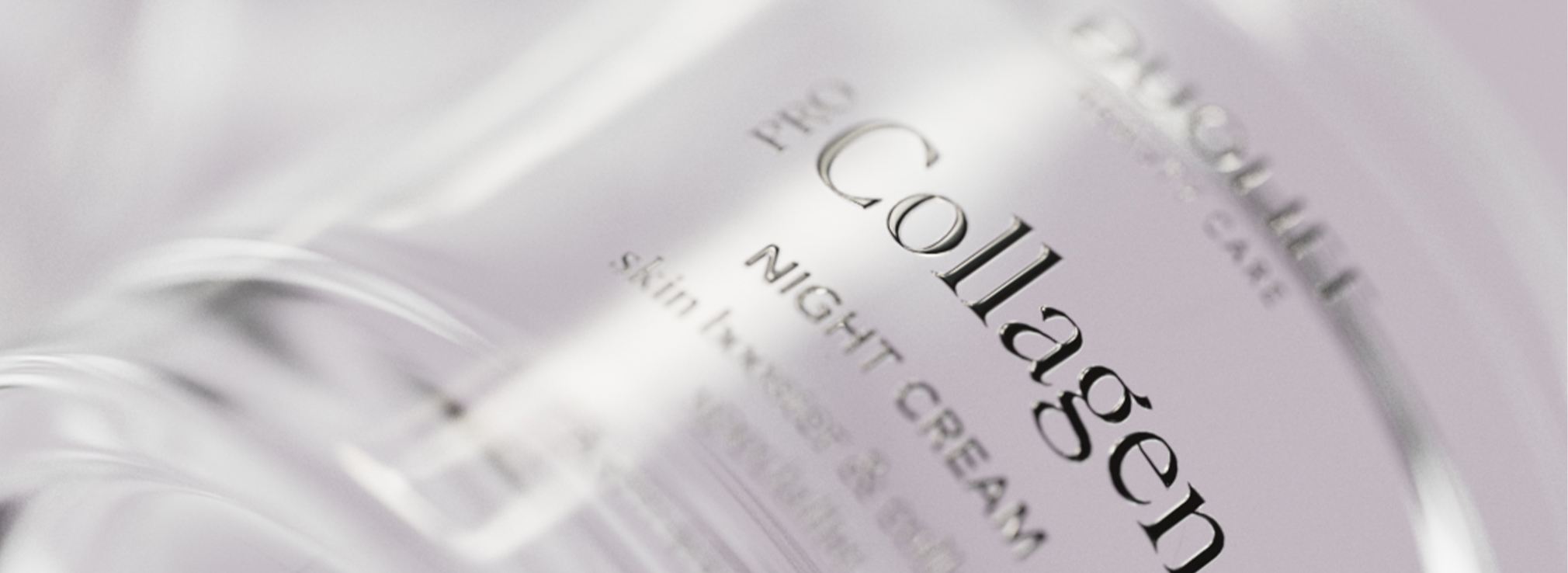
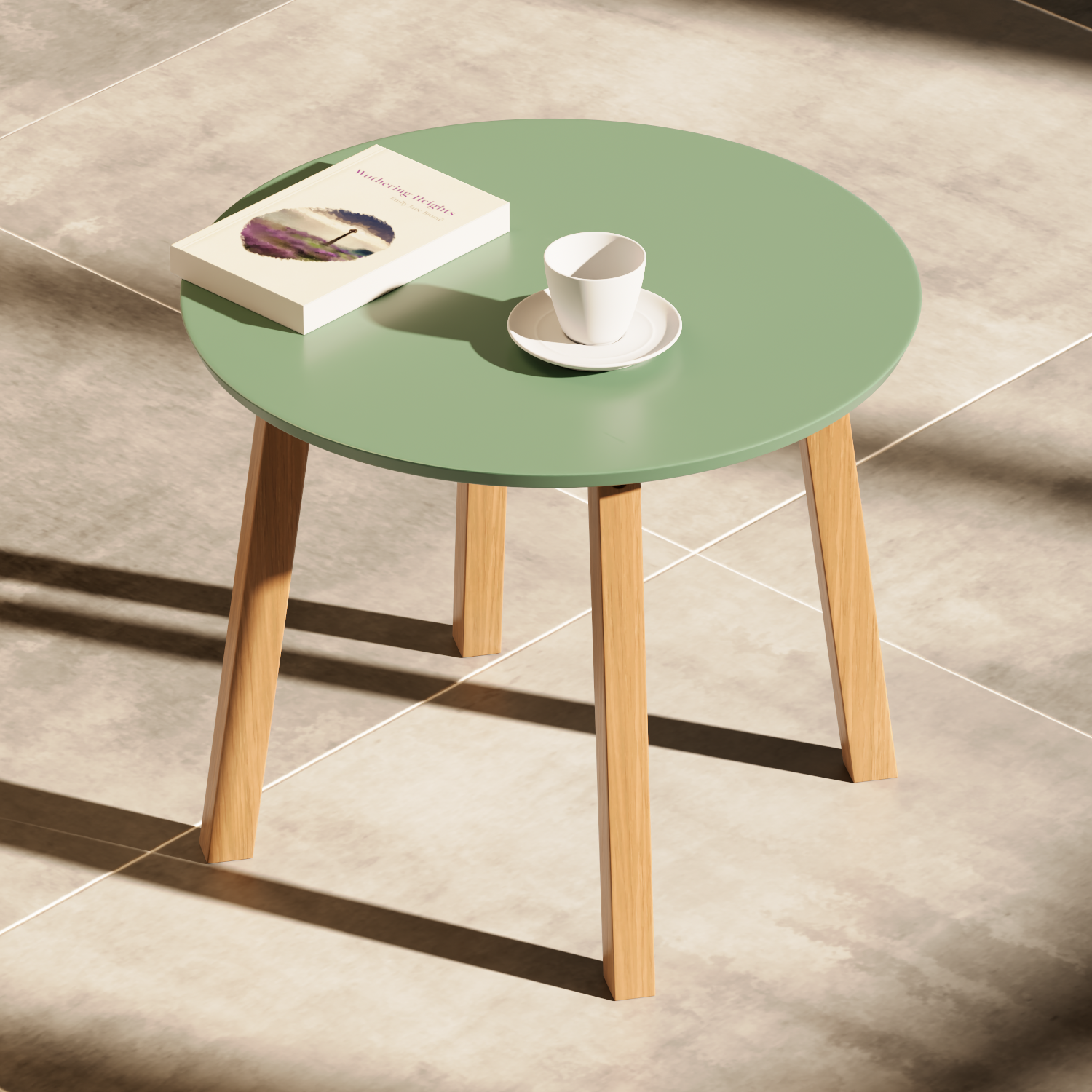
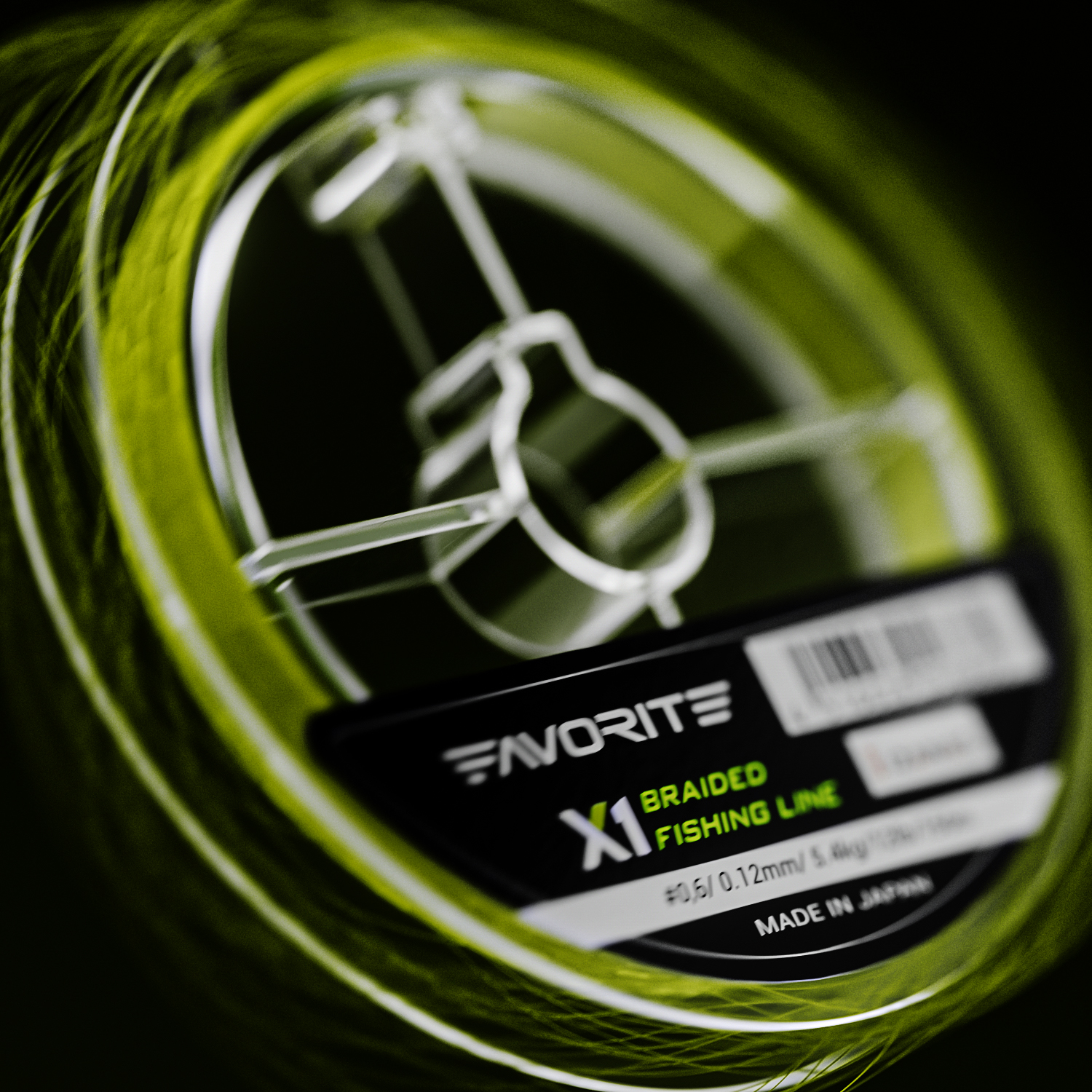
A product render is a decision about what the viewer should notice. The texture of a cap, the transparency of a spool or the connection between a tabletop and its legs can each become the focus of a different story. Our starting point is the communication brief: who will see the image, where will it appear, and which feature should stay with them afterwards?
This helps us choose between a clean, descriptive view and a more atmospheric composition. An e-commerce image needs a clear silhouette and readable packaging. A campaign image can use a stronger camera angle, a designed environment or an unexpected arrangement. The product remains the reference point in both cases.
Build a model that holds up close.
The modelling stage turns available references into a usable digital asset. Depending on the project, the starting material can include CAD data, drawings, packaging artwork, photographs or the physical object. We review what is available before deciding which surfaces need rebuilding and which details will actually be visible in the final images.
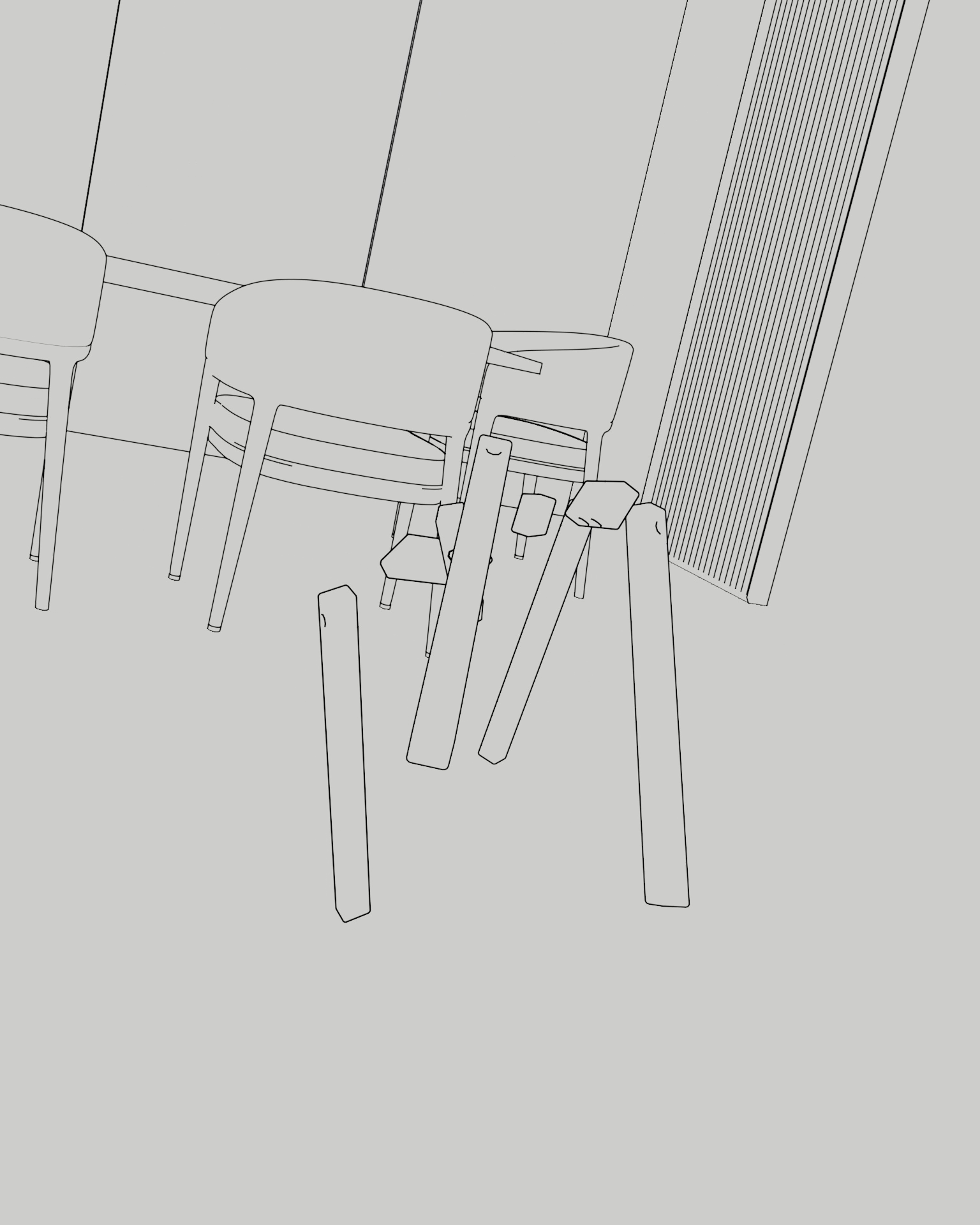
Accurate proportions matter more than adding detail everywhere. Edges need to catch the light, transparent parts need believable thickness, and labels need to follow the surface correctly. For an animation, we also consider how the object is assembled so its parts can move independently when the story calls for it.
Use materials and lighting to explain the object.
Materials are part of product communication. A glass jar should behave differently from a matte carton; a transparent plastic spool should reveal its construction without losing its outline. We balance reflection, roughness, colour and transparency, then test them under the lighting intended for the final scene.
Lighting brings that work into focus. Broad reflections can describe a curved surface, while a smaller highlight can reveal an edge or embossed detail. We build the composition around those relationships rather than applying the same lighting setup to every product. Test renders make these decisions visible while changes are still practical.
Think beyond a single image.
A carefully prepared model can become the basis for several deliverables. A campaign may need a wide website visual, a vertical social edit, a detail crop and a packaging variation. Planning those uses early helps us protect important features and leave appropriate space for typography.
Reusability does not mean every image has to look the same. It means the geometry, artwork and materials have a consistent foundation. When a product range changes, that foundation can support new lighting, compositions and animations without starting every part of the production again.
The approach, in practice.
Let’s give your idea form.
For a new 3D product visualisation project, useful starting materials include product references, packaging artwork, intended formats and a description of the audience. We can then discuss the right level of realism, the images needed and how the asset could support future communication.
Talk to ILMA