Motion design: turn an idea into a sequence.
Movement changes how we read an image. It can direct attention, explain a connection or build anticipation. Our approach to motion design brings composition and timing together so each movement has a reason to be there.
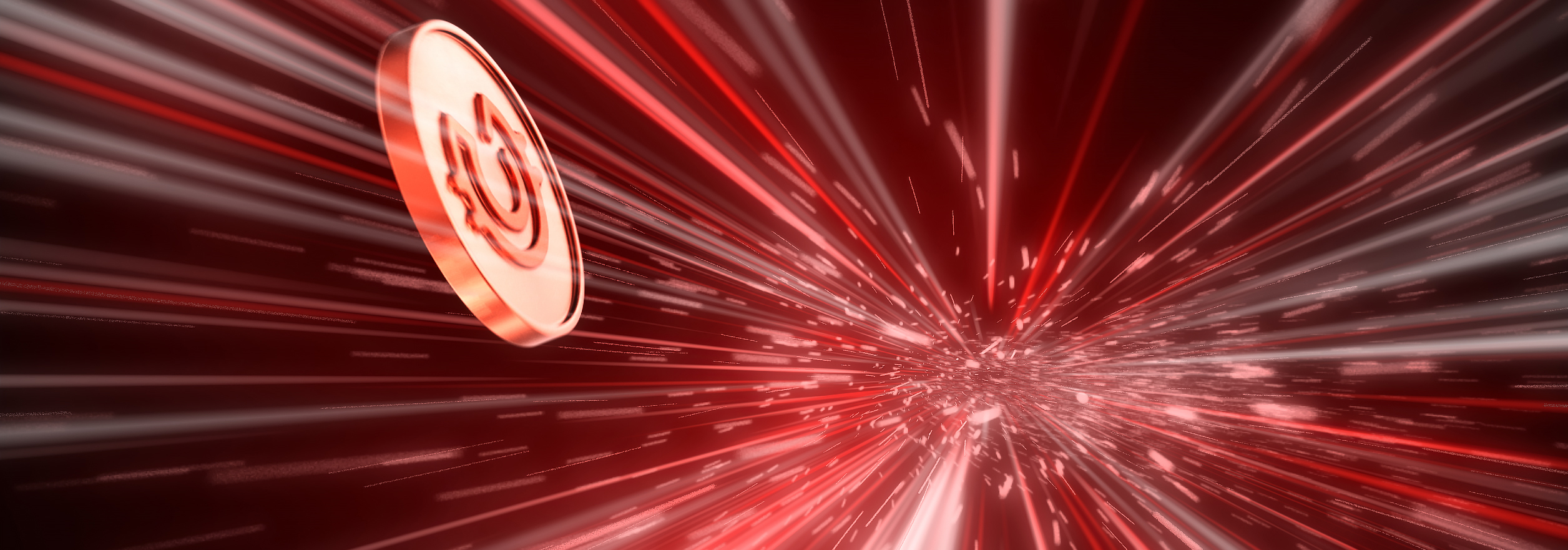
Decide what the movement needs to do.
Motion design starts with a communication problem. The audience may need to understand an unfamiliar process, recognise a brand or follow a transition from one idea to the next. We identify that purpose before choosing an animation style. A quiet product detail and an energetic sports intro ask for different decisions.
This gives us a way to judge the work throughout production. Does the movement make the important information easier to follow? Does it support the tone of the piece? Does a transition connect two ideas, or simply interrupt them? These questions help keep a sequence coherent as the design develops.
Build a visual language that can move.
Composition, typography, colour and 3D form establish the visual vocabulary. We consider how those elements enter, interact and leave the frame. A shape that works in a still image may need different spacing or proportions once the camera moves around it or text needs time to be read.
Style frames help establish the direction. Simple motion tests then show how that direction behaves over time. This combination allows us to discuss the look and the rhythm together, rather than treating animation as something applied to a finished graphic at the end.
Use timing to guide attention.
Timing determines which detail the viewer notices first and how long it remains important. Acceleration can make a transition feel decisive. A pause can give a product feature room to register. Repetition can create a pattern that makes the next change easier to understand.
We review motion at the intended speed and in the intended context. A sequence designed for a large event screen can allow a different pace from a short mobile edit. Readability matters in both cases, particularly when typography and a moving product share the frame.
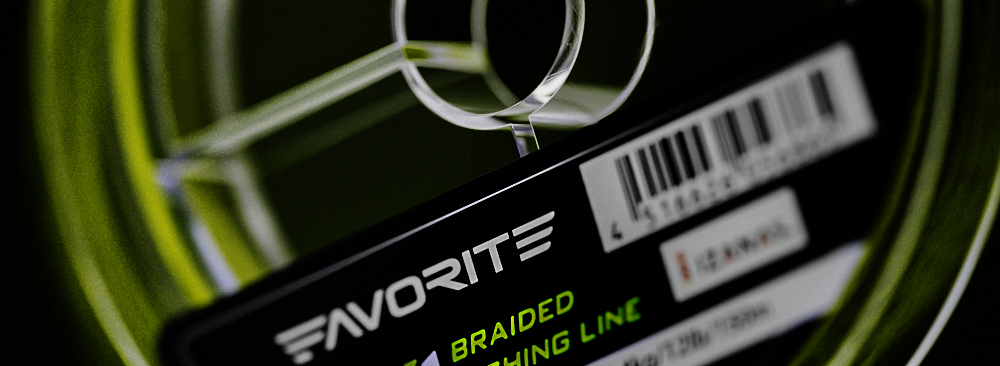
Design a sequence that survives different formats.
Motion design often needs to work as a family of outputs. An intro may lead to scene transitions; a product animation may lead to a loop and several shorter edits. We plan which visual elements remain consistent and which need to change with the format.
That can mean adjusting the framing, typography or duration for each version. The goal is not to force every output into one composition. It is to give them a shared identity: a recognisable rhythm, a consistent treatment of space and a clear relationship between the graphics and the subject.
The approach, in practice.
Let’s give your idea form.
For a motion design brief, tell us what the audience needs to understand, where the animation will appear and which brand assets already exist. We can then discuss a visual direction, the required sequence and the versions needed for delivery.
Talk to ILMA