CGI advertising films: give the product a story.
An advertising film has only a short time to make its point. CGI gives us room to design that moment: a product can open, assemble, travel through an imagined environment or reveal details a camera could never reach.
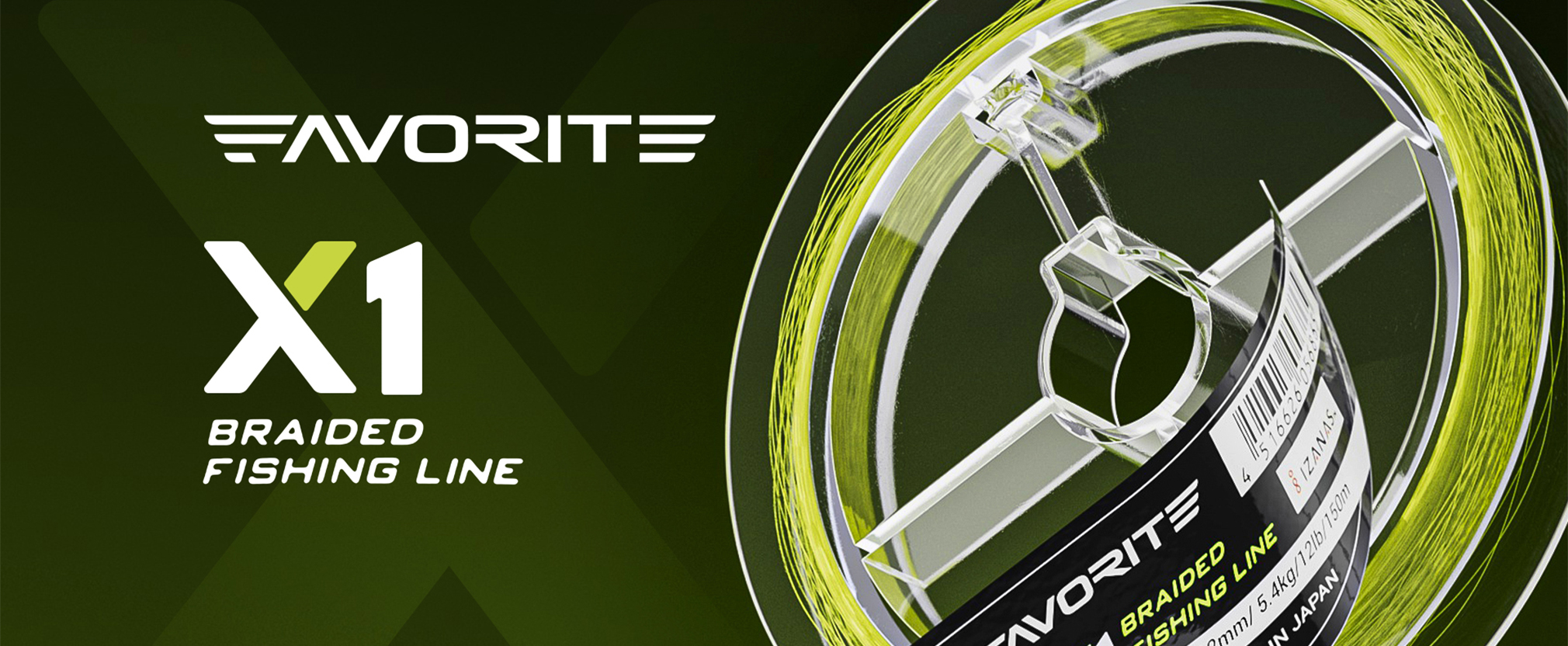
Find one idea worth following.
We begin by asking what the film should communicate. A launch might need to introduce an unfamiliar object. An established product might need a fresh way to show a familiar benefit. Identifying that purpose helps us decide what belongs in the film and what would only add noise.
The creative direction connects the message to a visual idea. That may be an exploded product view, a transformation between materials, a distinctive camera move or a complete environment. We look for a relationship between the image and the product, so the film feels specific to the brief rather than interchangeable with another campaign.
Work out the film before the final render.
Storyboards establish the order of ideas. An animatic brings those frames into time, allowing us to discuss camera movement, pacing and the length of each shot. It is a practical way to find out whether the sequence makes sense before committing to detailed lighting and rendering.
At this stage, we also consider delivery formats. A composition that works on a wide website banner may not survive a vertical crop. Planning the hero shot, key information and product position across formats helps keep the campaign recognisable wherever it appears.

Make animation, materials and light tell the same story.
Once the direction is established, we develop the 3D assets, animation and scene design together. The movement of the product affects what the lighting needs to reveal. The material affects how quickly a highlight travels across a surface. Those details should reinforce the same visual idea.
The range of techniques depends on the film. Hard surface modelling can describe precise construction; simulation can bring flexible materials or repeated elements into a shot. We use those tools where they serve the sequence. The aim is a clear product presentation with a considered atmosphere, not a collection of disconnected effects.
Finish for the place people will watch.
Editing and compositing bring the rendered shots into a complete film. We refine transitions, balance colour, integrate graphic information and check that the product remains readable throughout. A film intended to play silently also needs to communicate through images and timing alone.
The main edit can become the starting point for shorter versions and alternate formats when those are part of the brief. We consider openings, endings and loops individually: a social post, a website film and an event screen do not always need the same structure. Defining those uses early keeps the final delivery focused.
The approach, in practice.

Let’s give your idea form.
A useful film brief includes the core message, the product references, expected duration, placement and required formats. Share what is already decided and what is still open, and we can shape a CGI production approach around the actual communication task.
Talk to ILMA