Visual effects: make the imagined feel connected.
An effect works best when it belongs to the scene. We approach visual effects as part of the overall image — connecting motion, materials, lighting and compositing to help an idea feel coherent on screen.
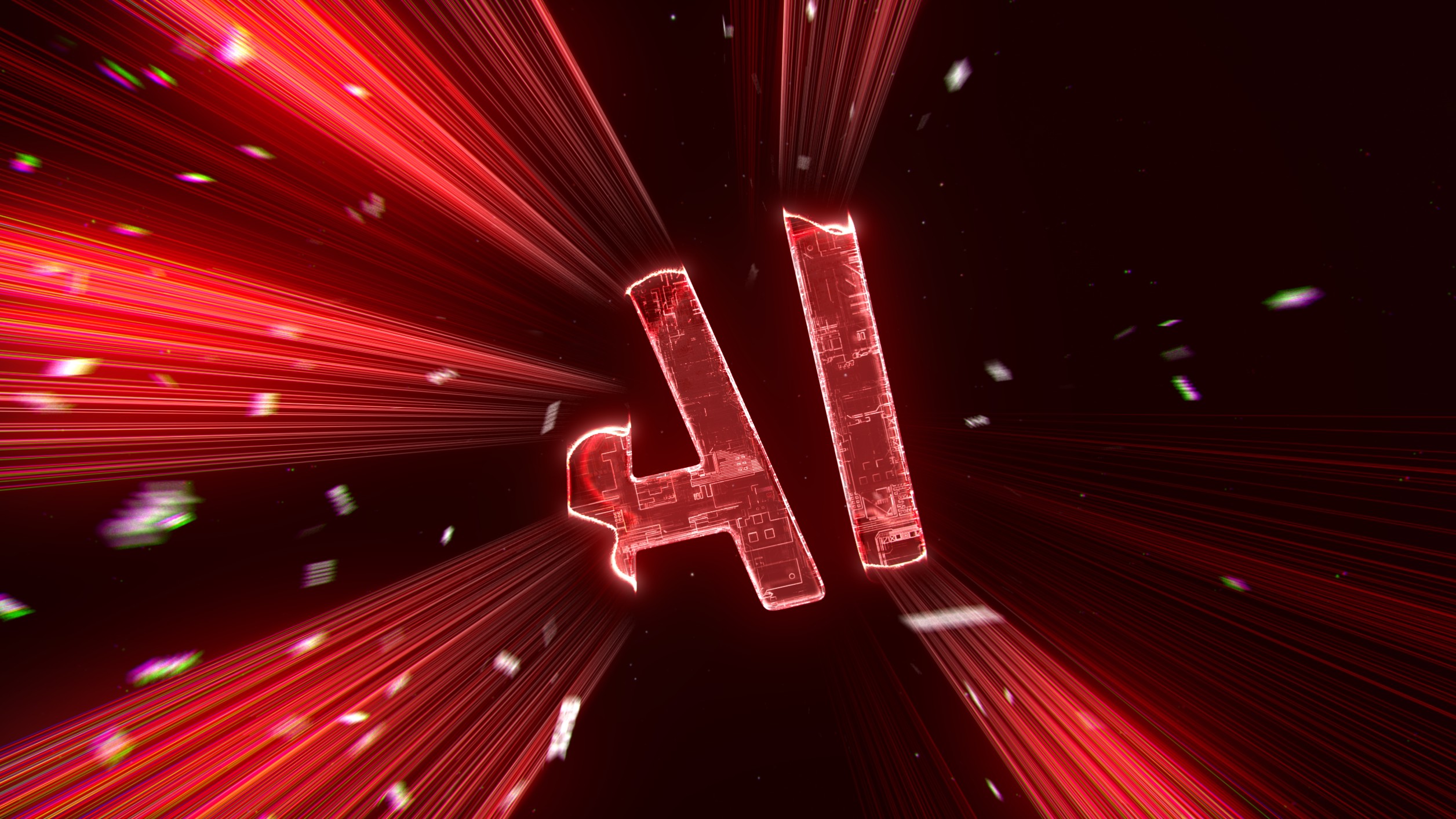
Give the effect a job in the story.
Visual effects can reveal something that would be difficult to photograph, guide attention through a scene or create a world around a product. We start by identifying which of those roles is needed. That decision shapes both the effect and the level of complexity that makes sense for the shot.
A glow can help define a route through a dark environment. A simulation can describe how a flexible material behaves. A change in atmosphere can connect two stages of a film. We look for a clear purpose first, then develop the technique around the intended result.
Choose how the effect should behave.
Believable behaviour begins with observation. Even a stylised scene needs rules for how objects move, how light travels across a surface and how different elements respond to one another. We use references and early tests to establish those rules before refining the final image.
The production method depends on the shot. Some elements benefit from physical simulation; others are better controlled through animation or compositing. The Favorite spool, for example, uses simulated braid to describe a real product feature. The technique supports the object rather than becoming an unrelated spectacle.
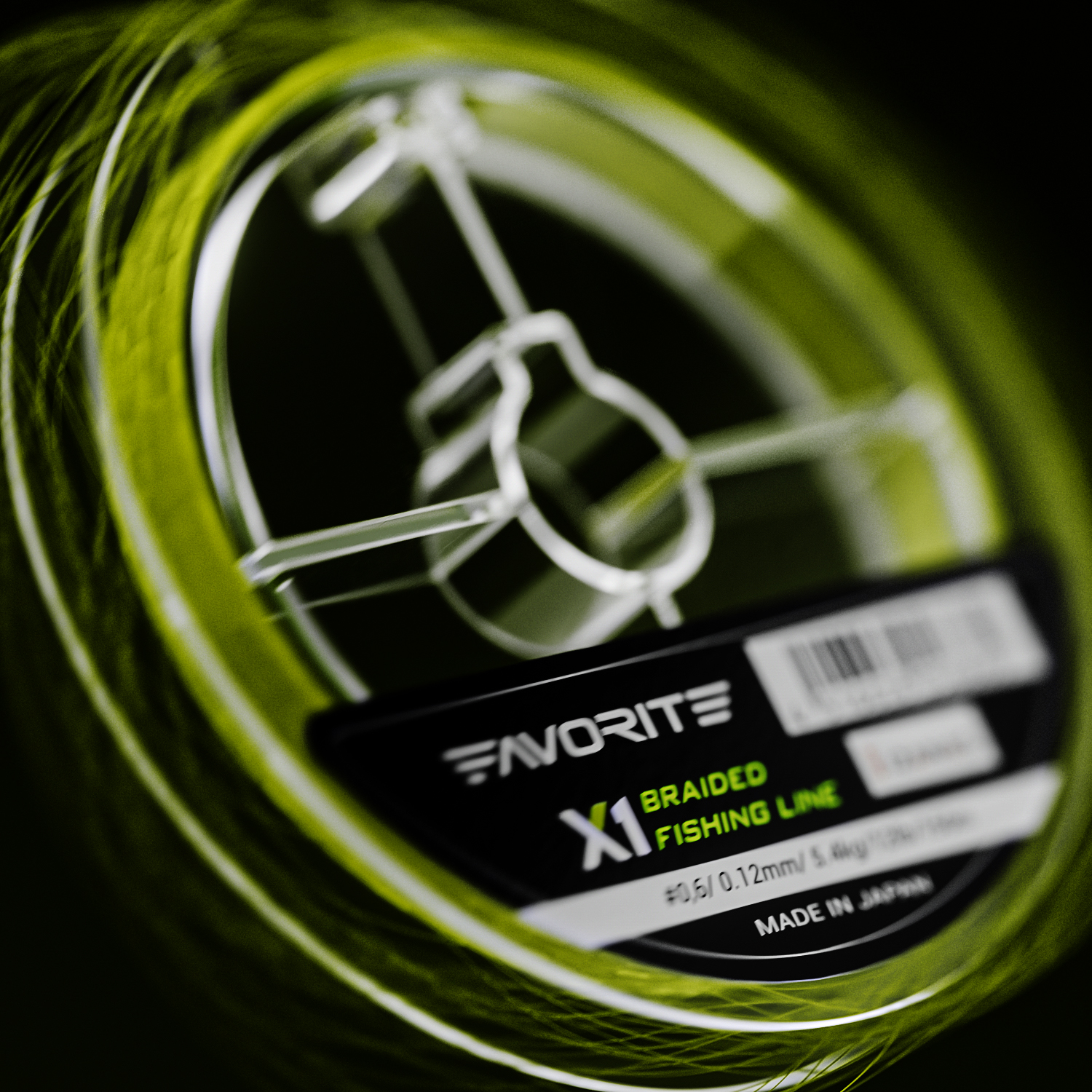
Make the separate elements belong together.
An effect rarely succeeds in isolation. Its brightness, colour, sharpness and movement have to relate to the rest of the frame. In a 3D sequence, we consider those relationships during scene development and lighting. Compositing then gives us a way to refine the balance across the finished shots.
Small decisions matter here. A bright trail should not erase the silhouette of the product. An atmospheric layer should create depth without hiding the action. Reflections and highlights need to reinforce the position of the light. We review the complete image, not just the effect layer.
Test the shot in motion, then in the edit.
A single frame can look convincing while a sequence still feels disconnected. We review effects at playback speed to check continuity, rhythm and the relationship with the camera. Early low-detail tests help us adjust behaviour before investing in final rendering.
The final check happens in the edit. We compare contrast, colour and pacing across adjacent shots, refine the compositing and check that the effect remains legible at the delivery size. This is especially useful for films that need both wide and vertical versions, where the same visual event can occupy very different amounts of screen space.
The approach, in practice.
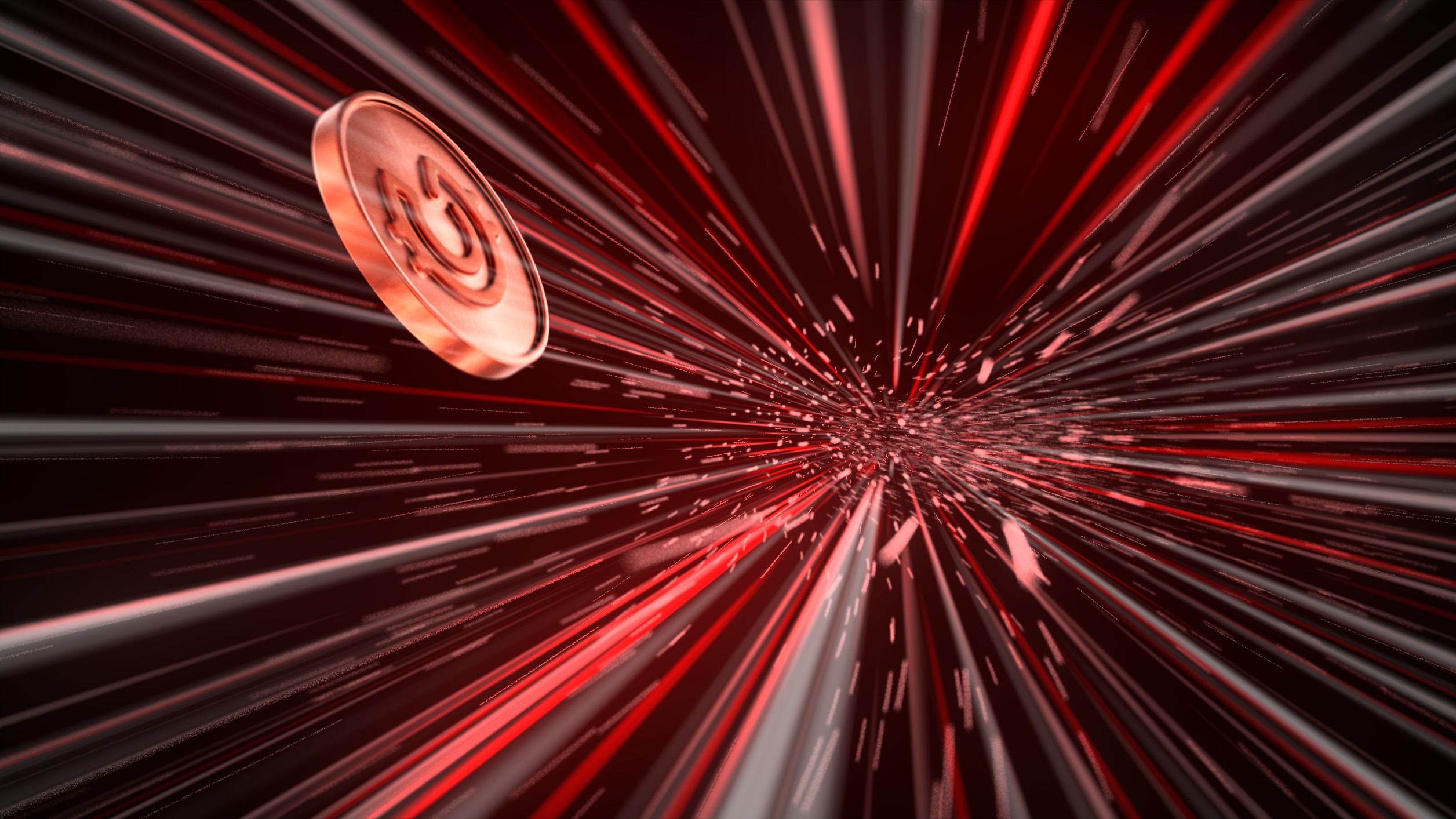
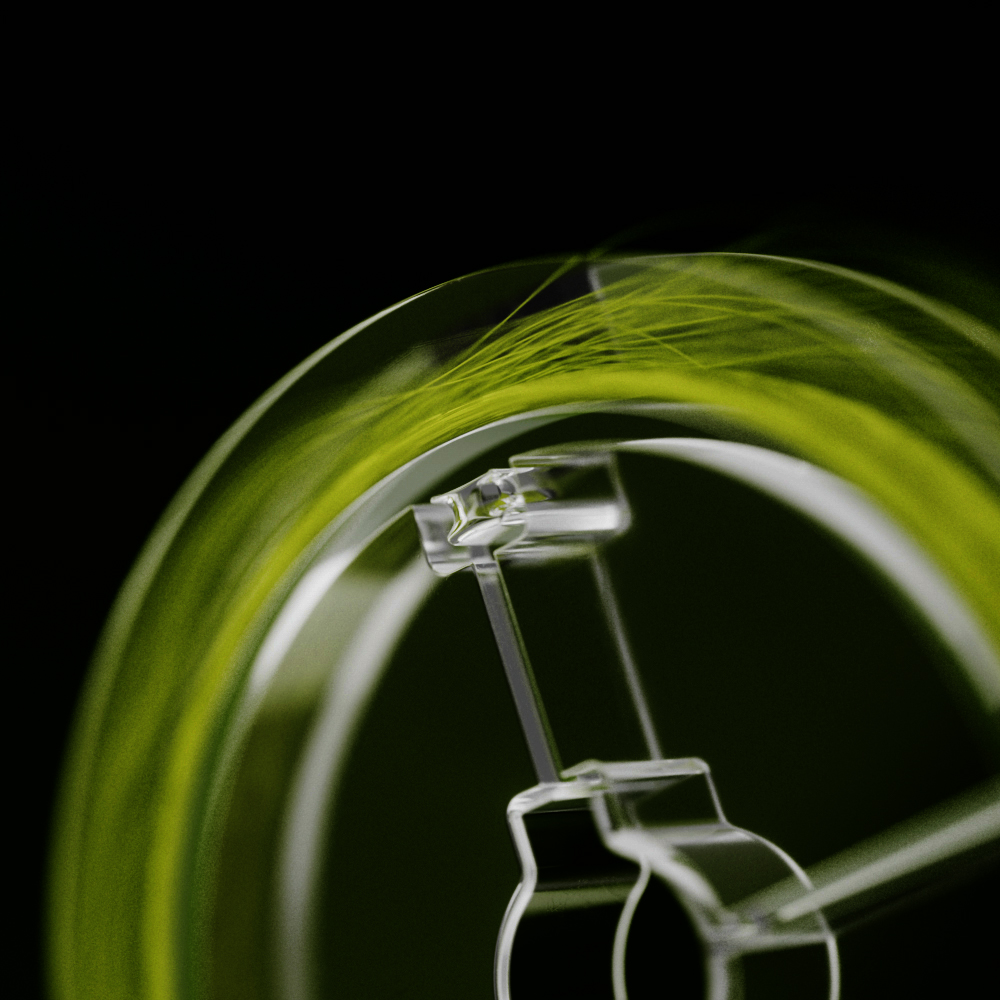
Let’s give your idea form.
If you are planning a film with visual effects, share the intended action, available imagery and any visual references. We can discuss which elements need to be built in 3D, which can be handled in compositing and how they should work together in the final sequence.
Talk to ILMA